

Featured ArticleAerospace & Aeronautical Engineering

Nuclear Thermal Propulsion and Its Potential for Deep-Space Travel

Getting spacecraft farther into the solar system is not only a question of reaching higher speeds. Propellant efficiency, travel time and the amount of useful equipment a spacecraft can carry all become important as missions move deeper into space.

Rhondeno Kikon

26 Aug 2026

Read Article

Latest Articles

Stories from the UCO Aero desk.

Aerospace, motorsport, materials science, research, technology and career stories.

From Waste Wool to New Building Materials

Material Science

From Waste Wool to New Building Materials

Wool is usually associated with clothing, carpets and other textiles. But what happens to wool that never makes it into a finished product? Researchers are exploring a new answer: turning waste wool into building materials.

Rhondeno Kikon

10 Oct 2026
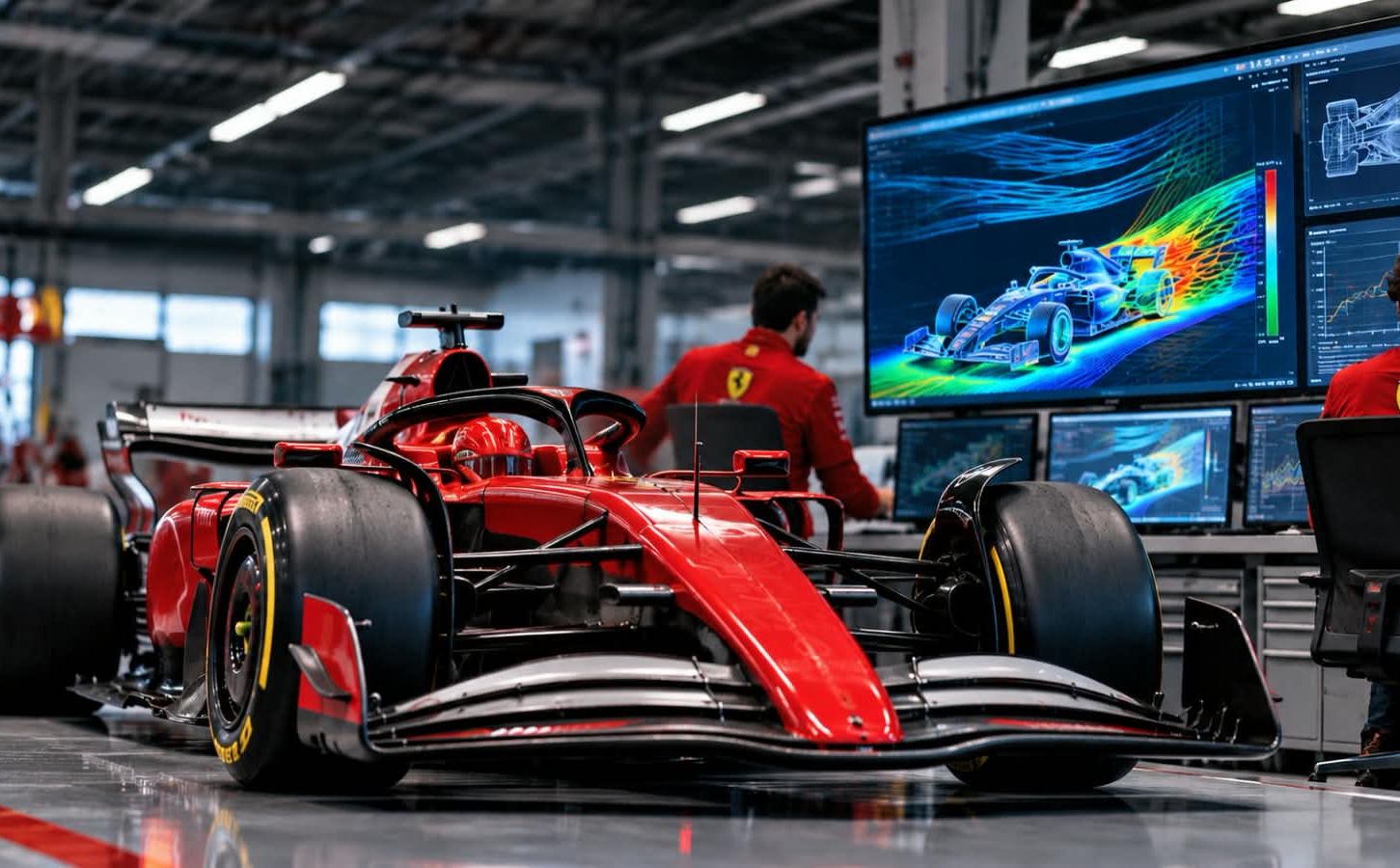
How AI Is Quietly Changing the Way F1 Cars Are Designed

Automobile & Motorsport

How AI Is Quietly Changing the Way F1 Cars Are Designed

Formula 1 has always been a sport of engineering. Behind every front wing, floor, suspension component and cooling system are thousands of calculations, simulations and design decisions. Now, artificial intelligence is becoming another part of that process.

Rhondeno Kikon

7 Oct 2026

SpaceX Starship Finally Reaches Orbit and Deploys Satellites

Aerospace & Aeronautical Engineering

SpaceX Starship Finally Reaches Orbit and Deploys Satellites

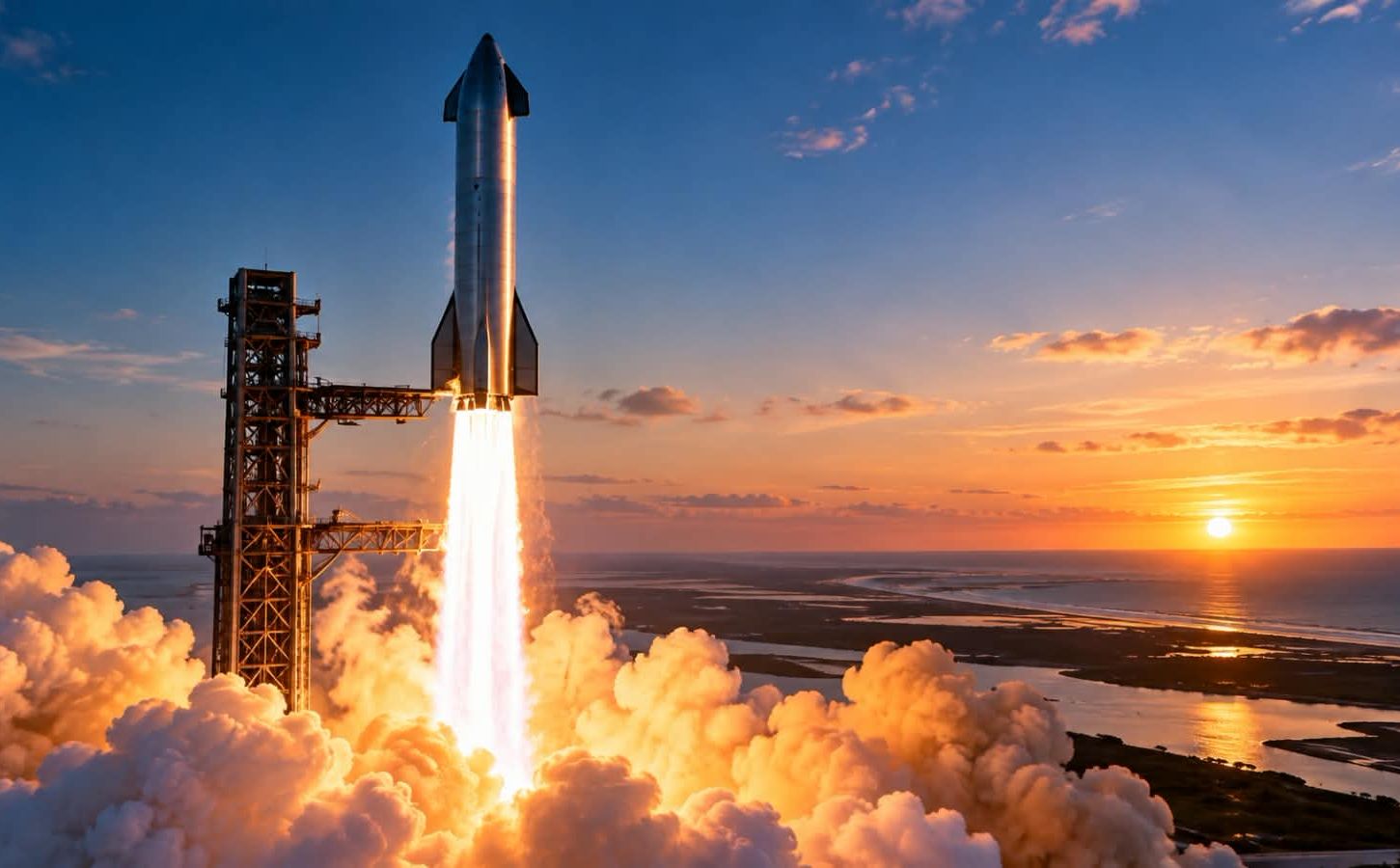
For years, SpaceX's Starship program has been built around a simple but extremely difficult goal: create a giant launch system that can eventually be reused for missions to Earth orbit, the Moon and Mars. On September 28, 2026, that goal took a major step forward.

Rhondeno Kikon

5 Oct 2026

Scientists Find a New Way to Make Nanocrystals

Material Science

Scientists Find a New Way to Make Nanocrystals

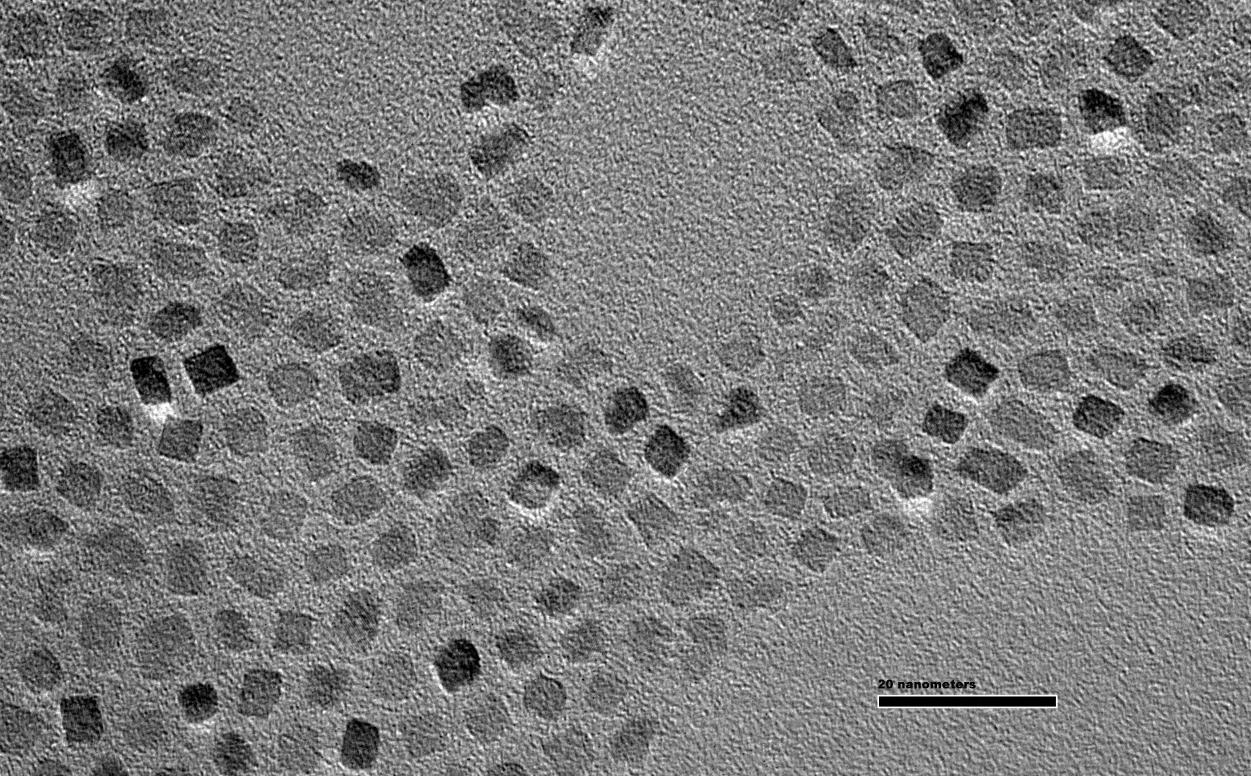
Scientists have developed a new way to make nanocrystals from metal nitrides, a group of materials already used in electronics, lighting, coatings and medical technologies.

Rhondeno Kikon

26 Sept 2026

The Hidden Role of the F1 Diffuser

Automobile & Motorsport

The Hidden Role of the F1 Diffuser

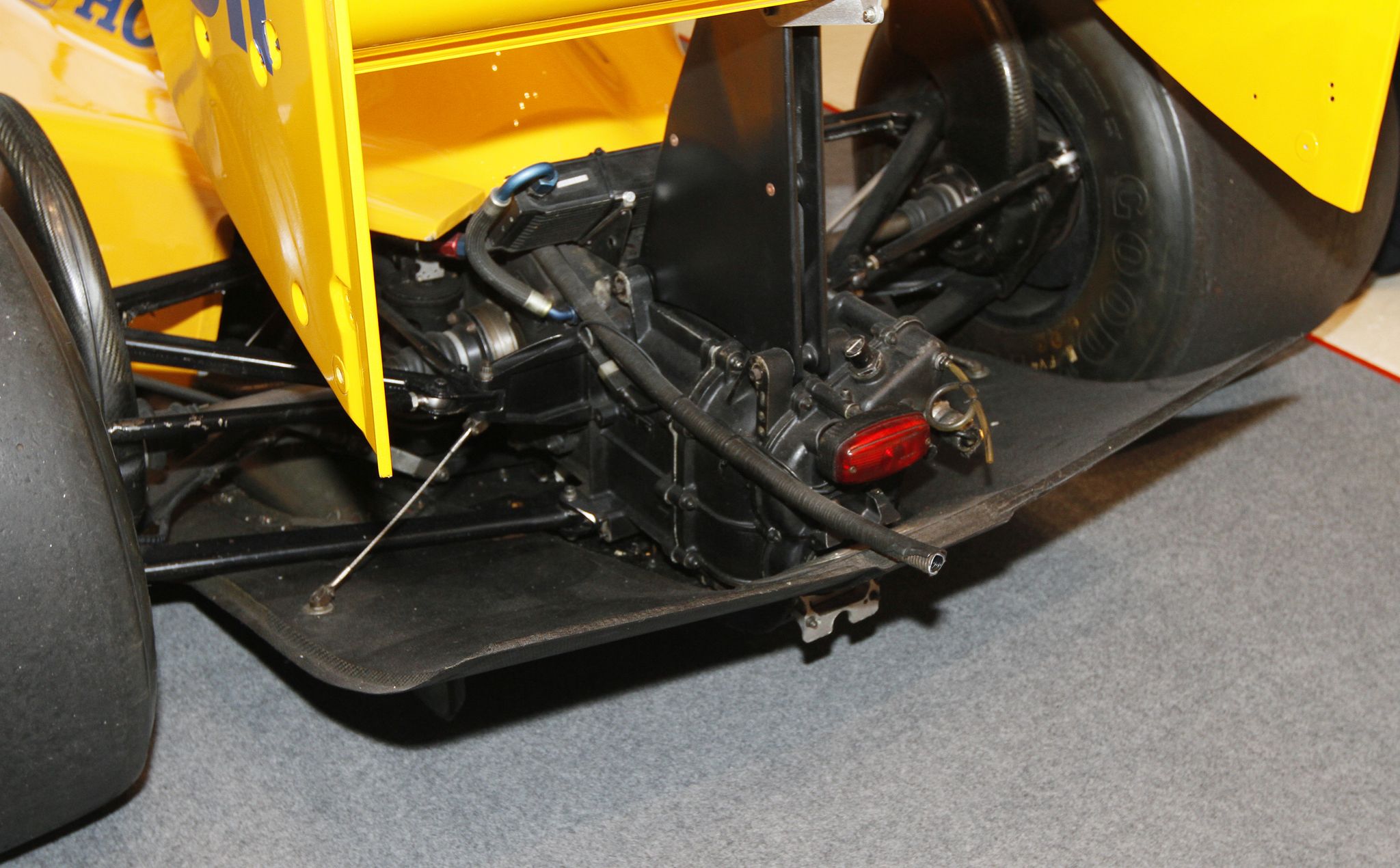
An F1 car may look dominated by wings and bodywork, but crucial aerodynamic work happens underneath. The diffuser controls airflow leaving the car’s floor, creating a low-pressure area that generates downforce. This helps push the car toward the track and improves grip, cornering and stability.

Rhondeno Kikon

23 Sept 2026

EOS-05 Marks a New Step in India Earth Observation

Aerospace & Aeronautical Engineering

EOS-05 Marks a New Step in India Earth Observation

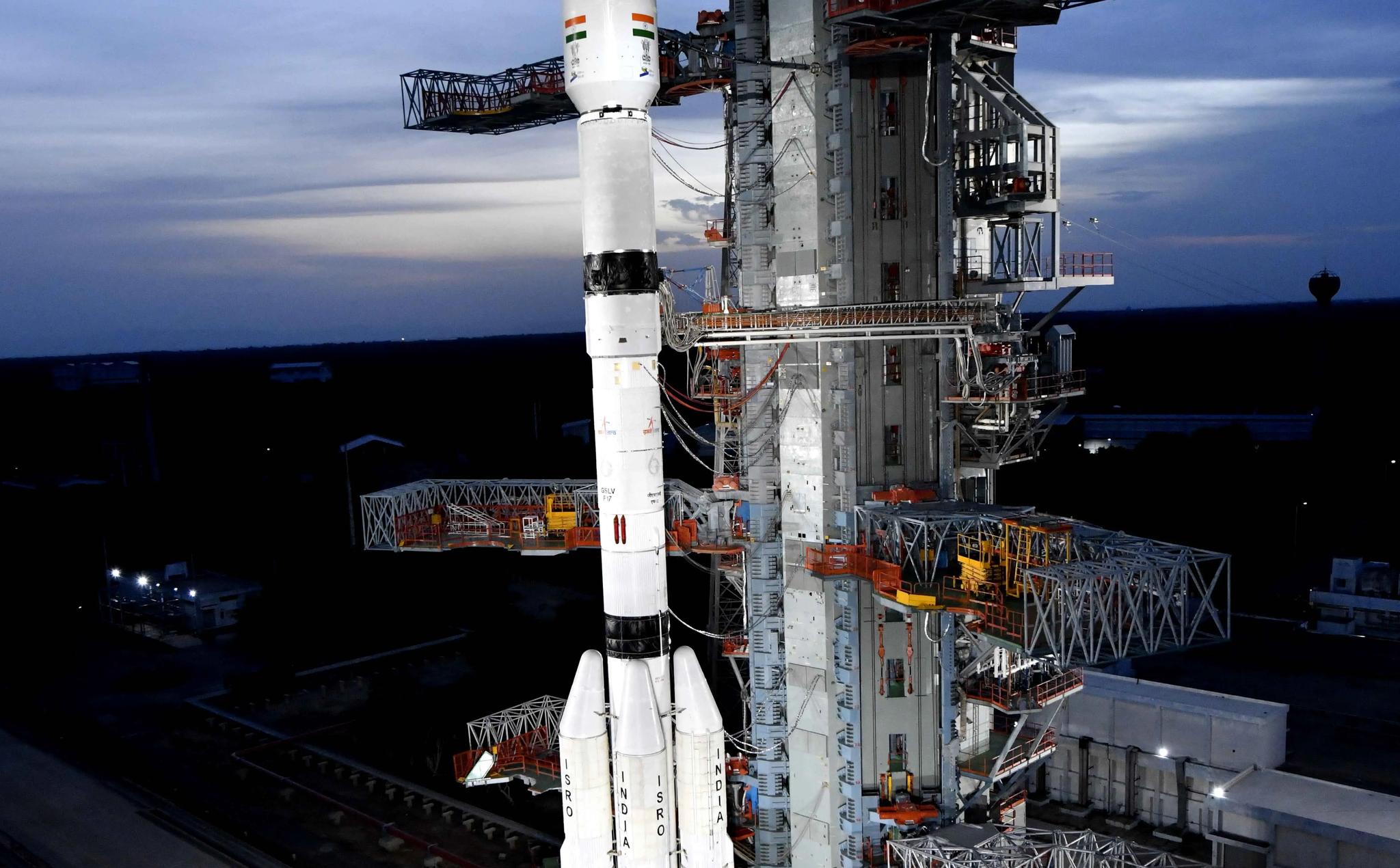
ISRO has successfully launched EOS-05 aboard GSLV-F17 from Sriharikota, placing it into a sub-geosynchronous transfer orbit. Described as India’s first imaging satellite from geosynchronous orbit, EOS-05 strengthens India’s Earth observation capabilities with advanced imaging technology.

Rhondeno Kikon

21 Sept 2026

Why Ceramics Matter More Than You Think

Material Science

Why Ceramics Matter More Than You Think

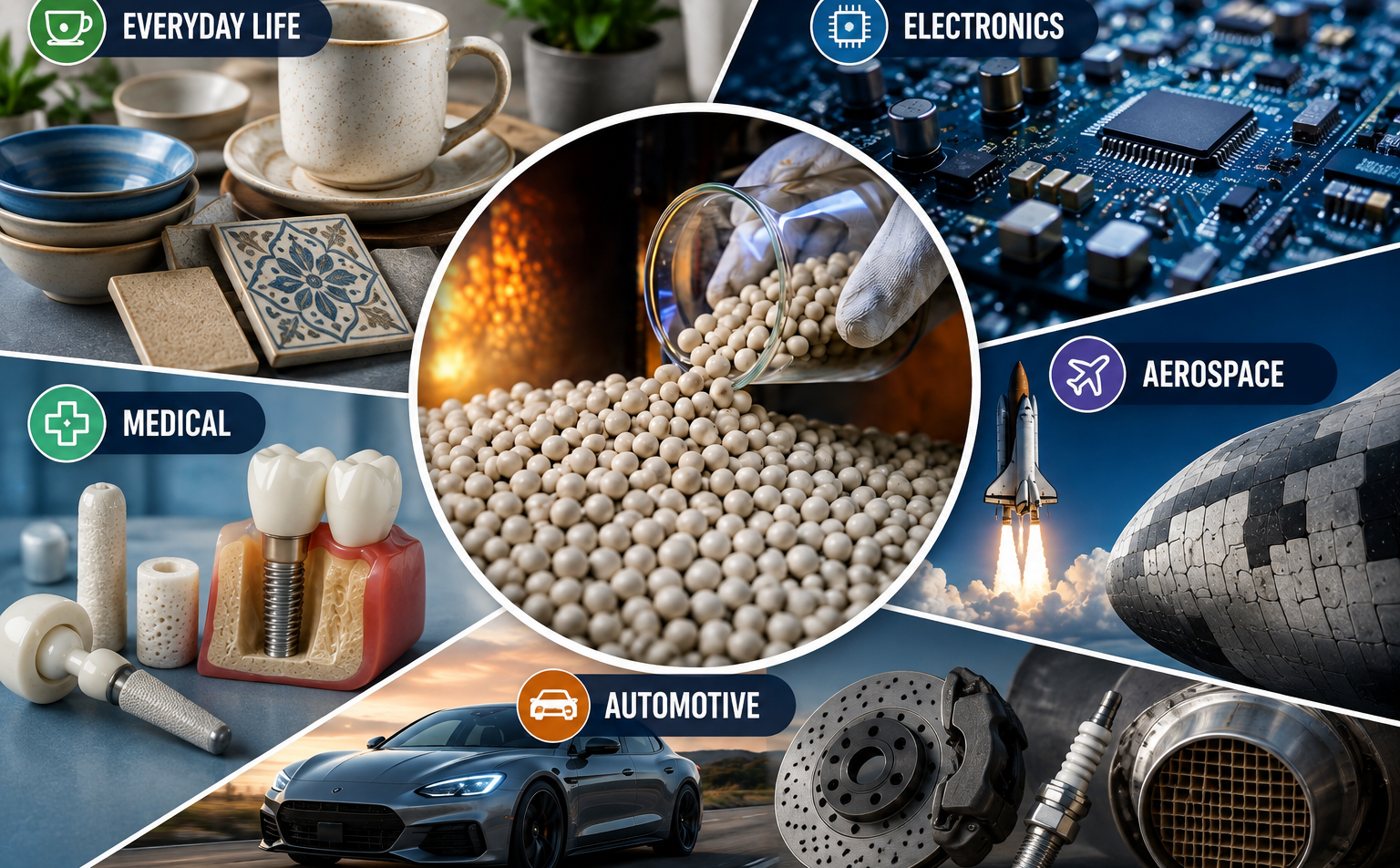
When people hear the word ceramic, they may think of cups, plates, tiles or pottery. But ceramics are more than household materials. Their combination of hardness, heat resistance, chemical stability and electrical properties makes them useful in electronics, vehicles, medical devices and aerospace.

Rhondeno Kikon

12 Sept 2026

F1 Engine Battle Gets a Midseason Twist

Automobile & Motorsport

F1 Engine Battle Gets a Midseason Twist

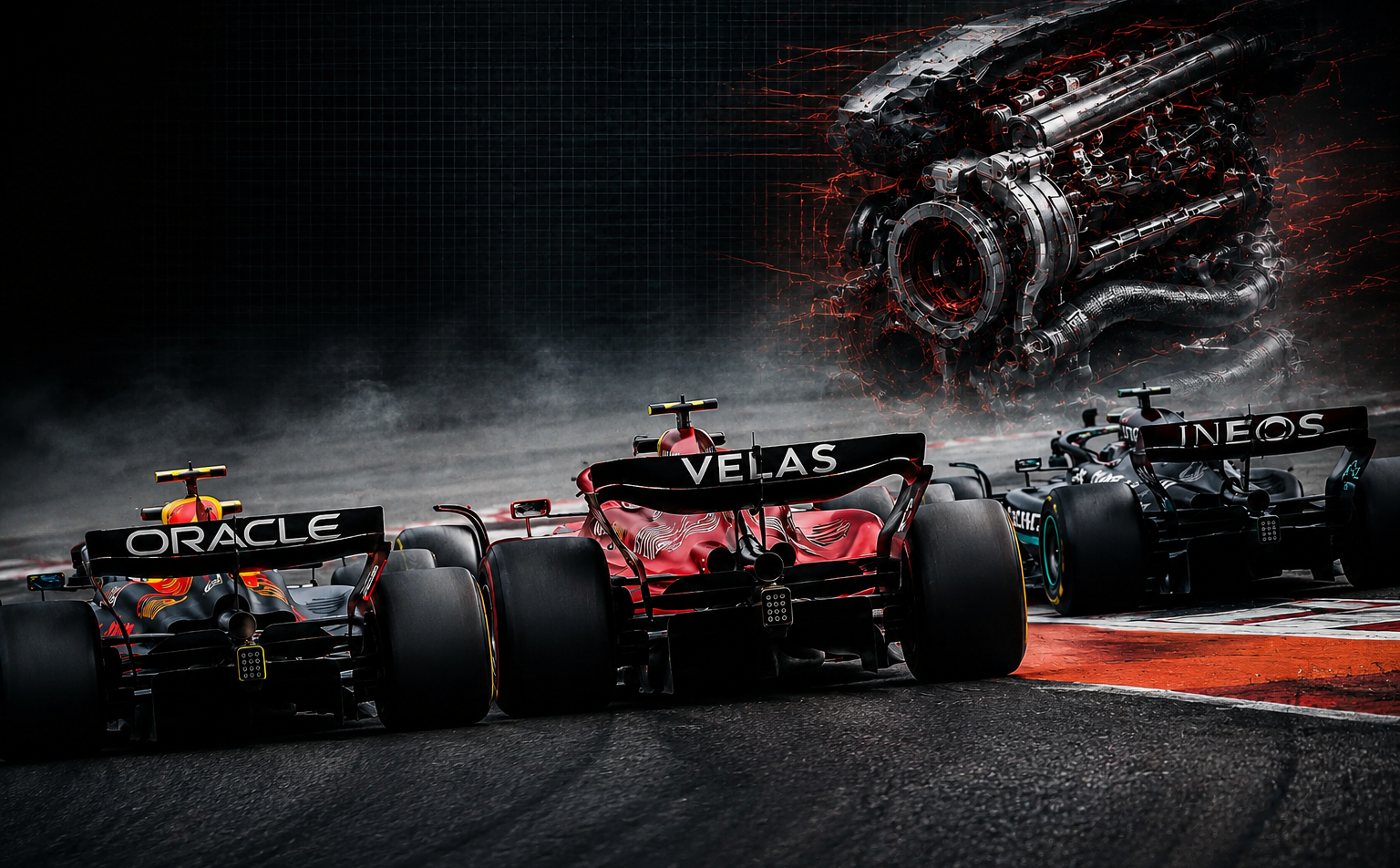
Formula 1 2026 season is entering its second half with another battle developing behind the scenes. While teams continue fighting for points on track, power unit manufacturers are working to close performance gaps through the new Additional Development and Upgrade Opportunities system, known as ADUO

Rhondeno Kikon

9 Sept 2026

NASA Roman Space Telescope Begins Its Mission

Aerospace & Aeronautical Engineering

NASA Roman Space Telescope Begins Its Mission

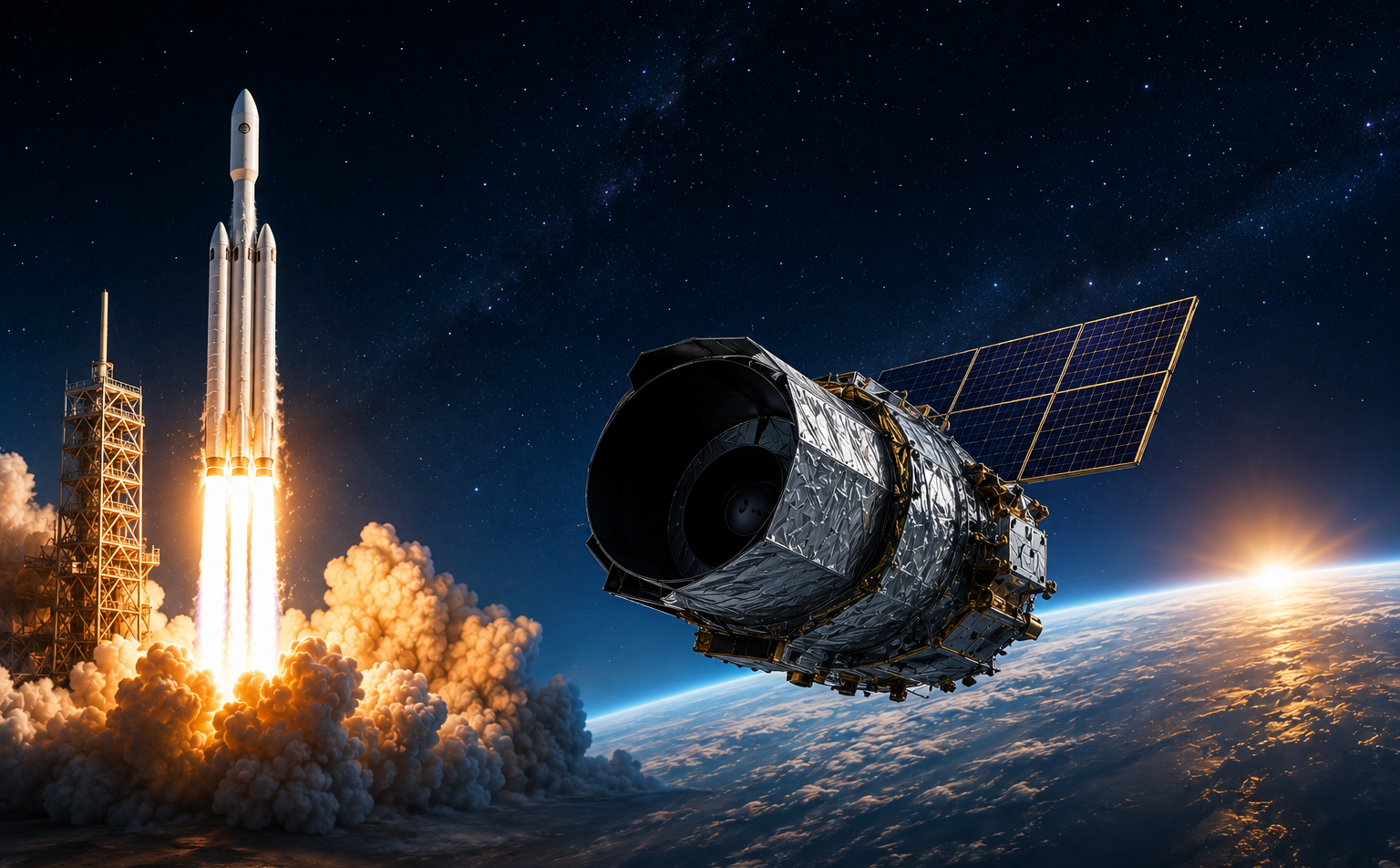
NASA Nancy Grace Roman Space Telescope is now on its way to space after launching aboard a SpaceX Falcon Heavy on August 30. The observatory lifted off from Launch Complex 39A at NASA Kennedy Space Center in Florida at 7:26 a.m. EDT.

Rhondeno Kikon

7 Sept 2026

How F1 Technology Could Influence Road Cars

Mechanical Engineering

How F1 Technology Could Influence Road Cars

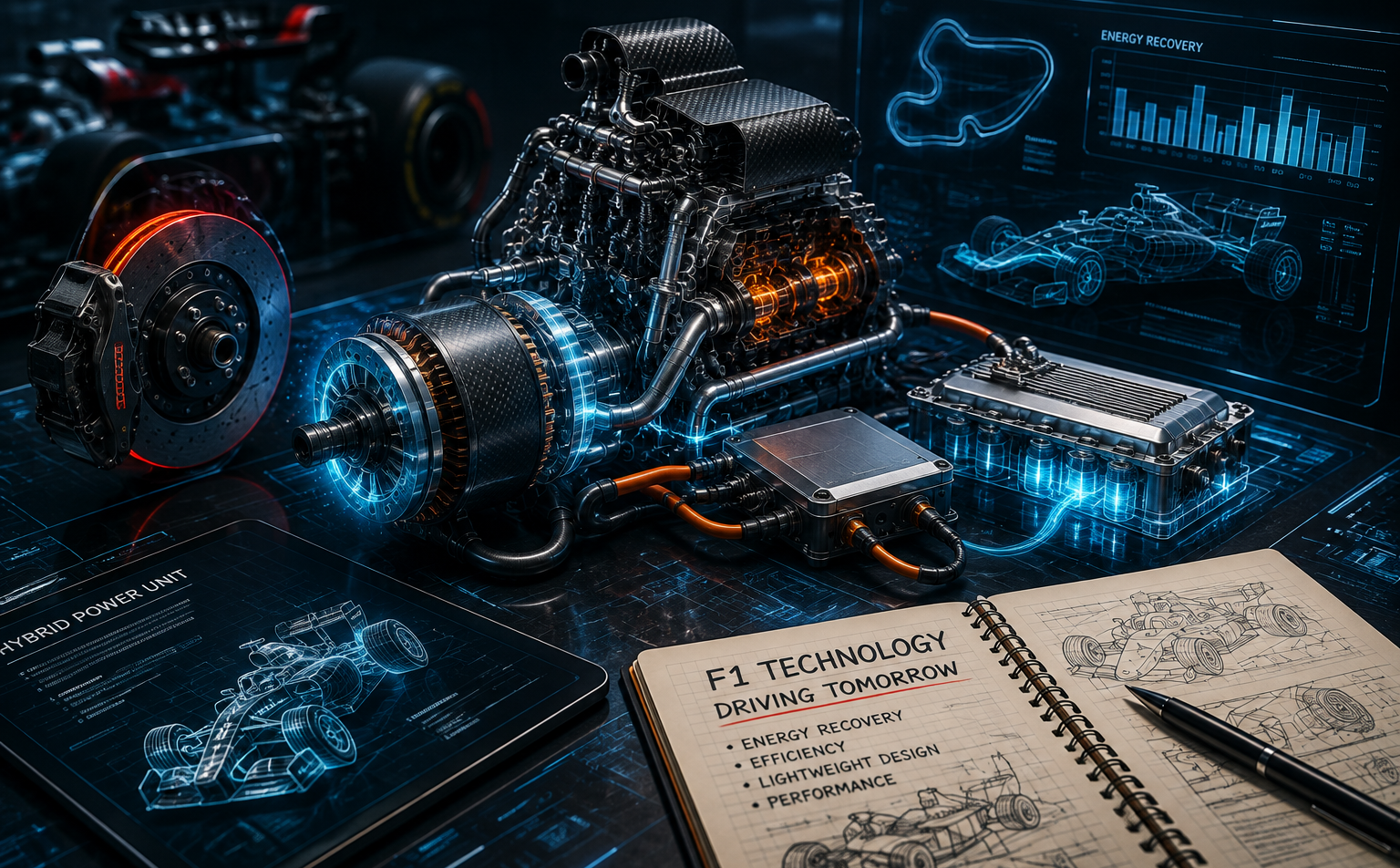
Formula 1 is more than a racing series. It is a testing ground for technologies that could shape future road cars. From hybrid power and energy recovery to lightweight materials and thermal management, innovations developed for racing can influence everyday vehicle design

Rhondeno Kikon

5 Sept 2026

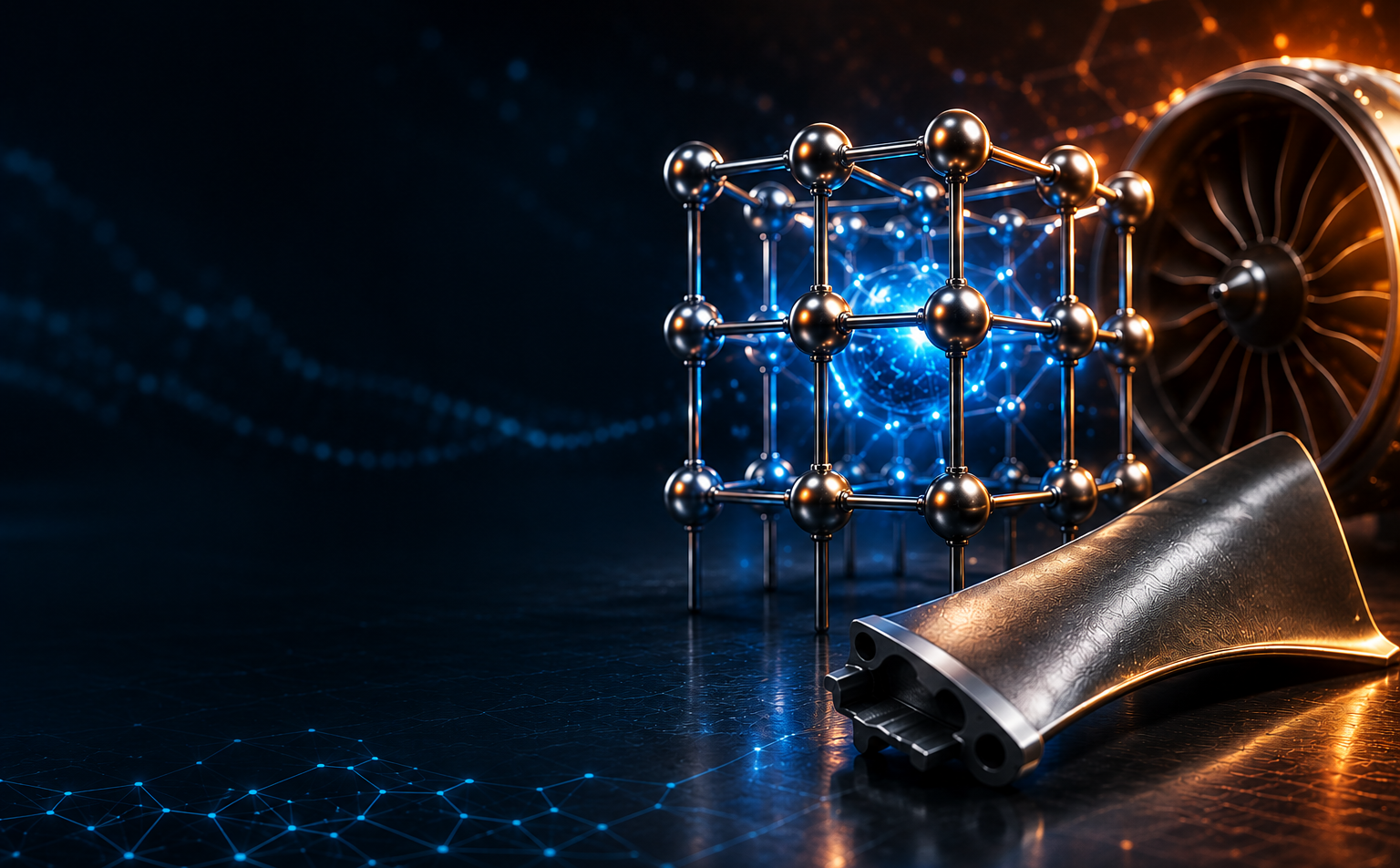
The Materials That Could Make Batteries Safer

Material Science

The Materials That Could Make Batteries Safer

Safer battery materials could improve battery safety by reducing overheating and thermal runaway. Researchers are studying cathodes, anodes, electrolytes and separators with improved chemical and thermal stability. This research might make solid-state and lithium-ion batteries safer for future uses.

Rhondeno Kikon

3 Sept 2026

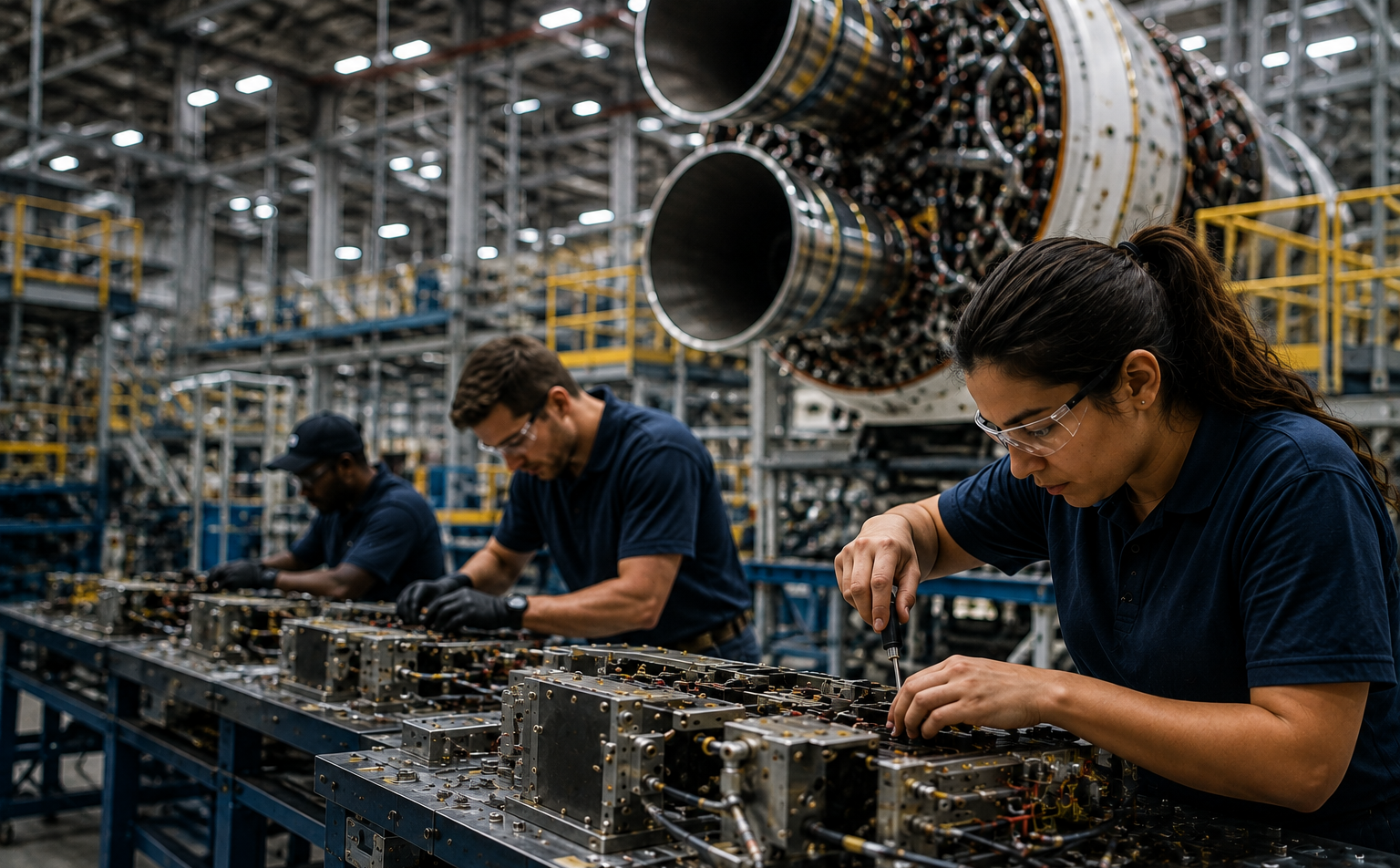
NASA New State Hubs Create Pathways into Aerospace Careers

Aerospace & Aeronautical Engineering

NASA New State Hubs Create Pathways into Aerospace Careers

As the aerospace industry prepares for a new period of exploration, the demand for skilled workers extends beyond the engineers and scientists usually associated with space missions.

Rhondeno Kikon

1 Sept 2026

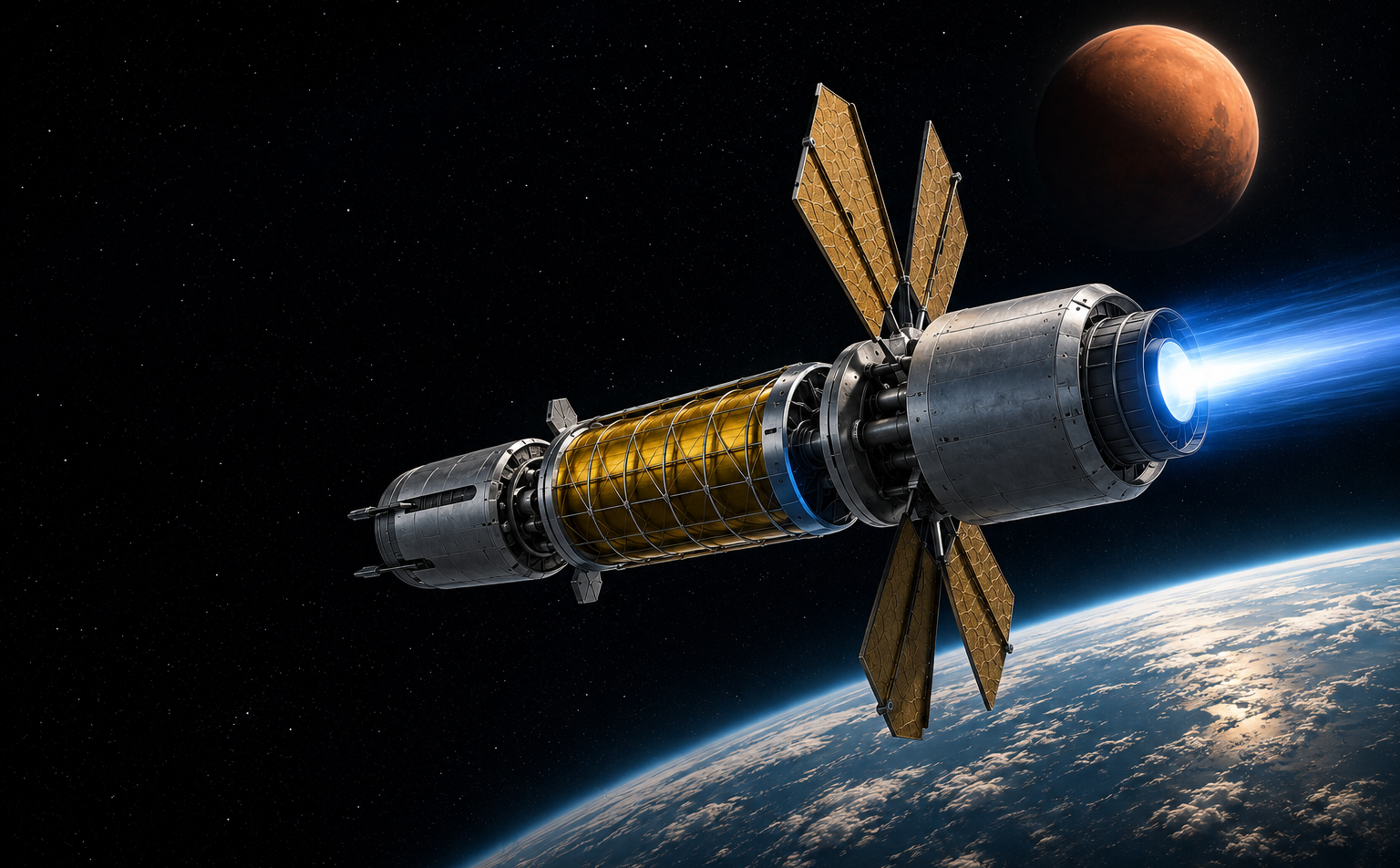
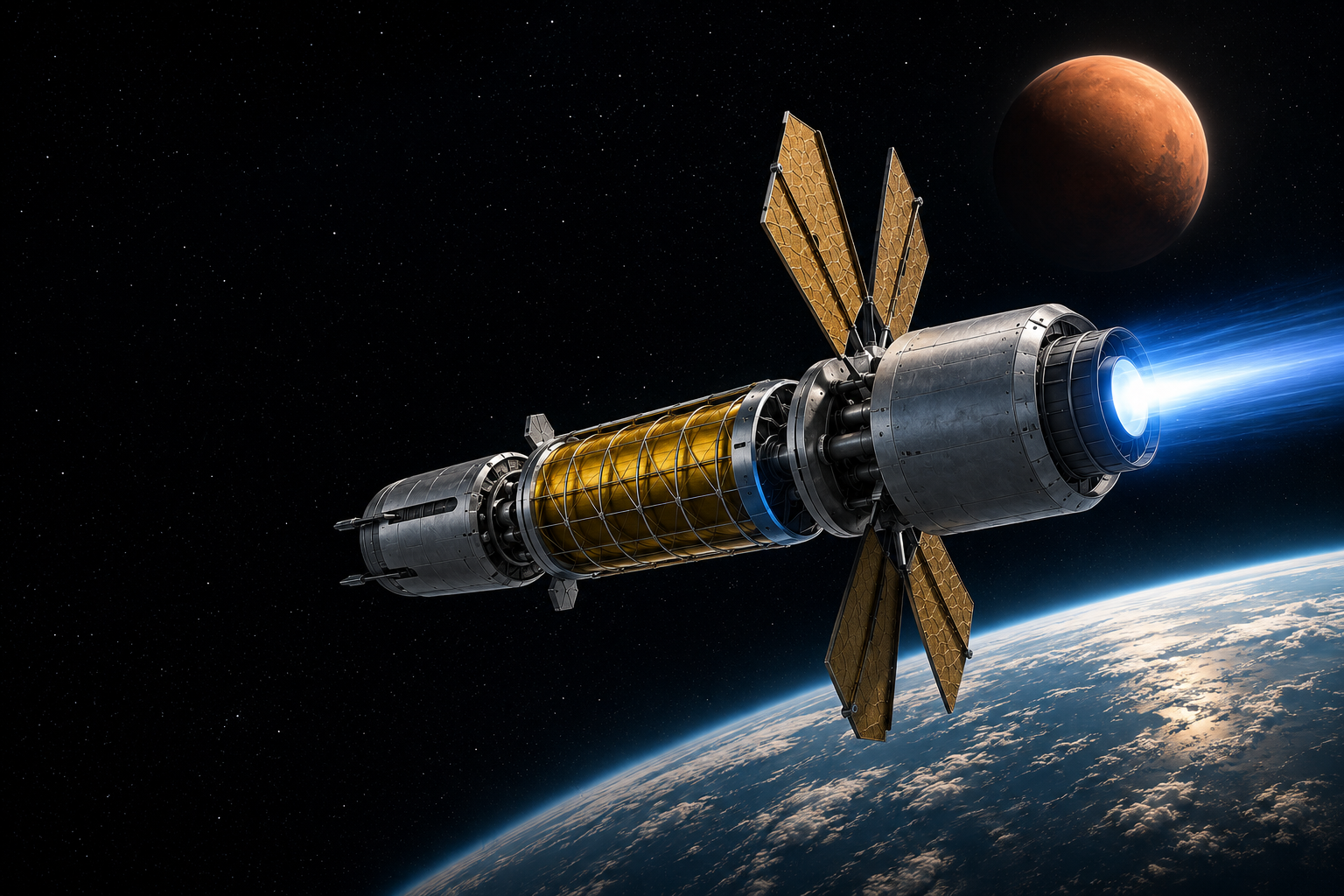
Nuclear Thermal Propulsion and Its Potential for Deep-Space Travel

Aerospace & Aeronautical Engineering

Nuclear Thermal Propulsion and Its Potential for Deep-Space Travel

Getting spacecraft farther into the solar system is not only a question of reaching higher speeds. Propellant efficiency, travel time and the amount of useful equipment a spacecraft can carry all become important as missions move deeper into space.

Rhondeno Kikon

26 Aug 2026

The Human Behind Every Flight

Aerospace & Aeronautical Engineering

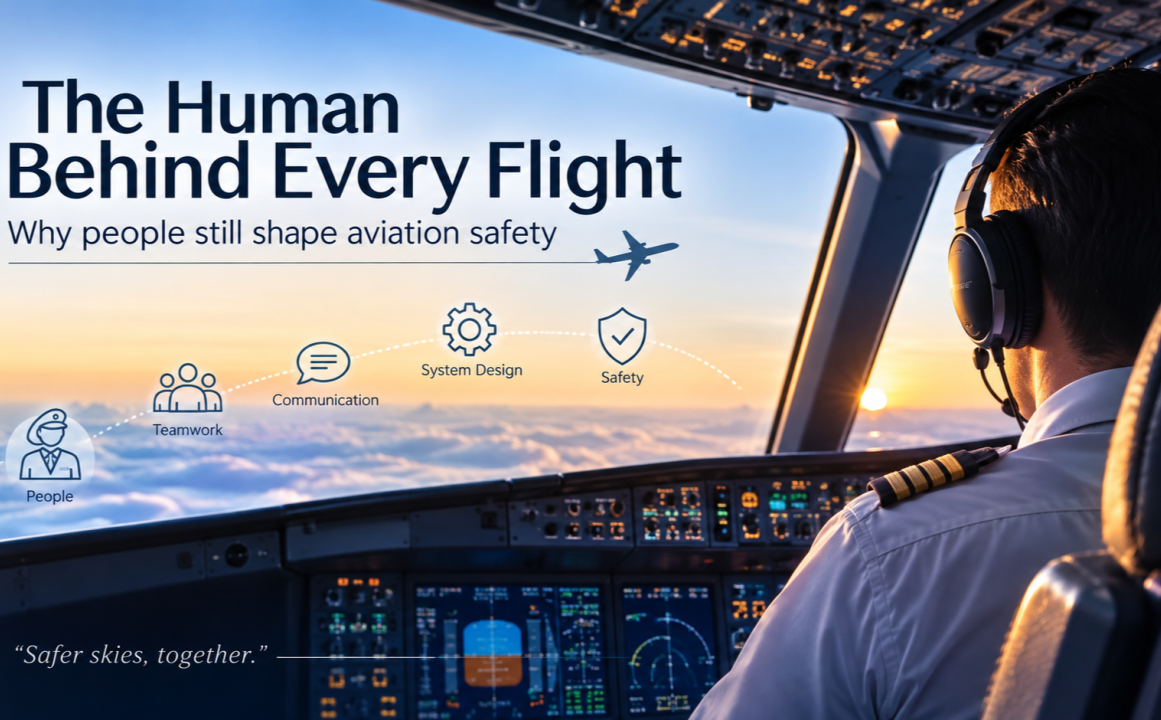
The Human Behind Every Flight

Aviation safety is not a contest between people and automation. It is the result of how different departments work as one system. Human factors examines that relationship: what people do well, where limitations arise, and how better design can reduce the consequences of error.

Rhondeno Kikon

19 Aug 2026

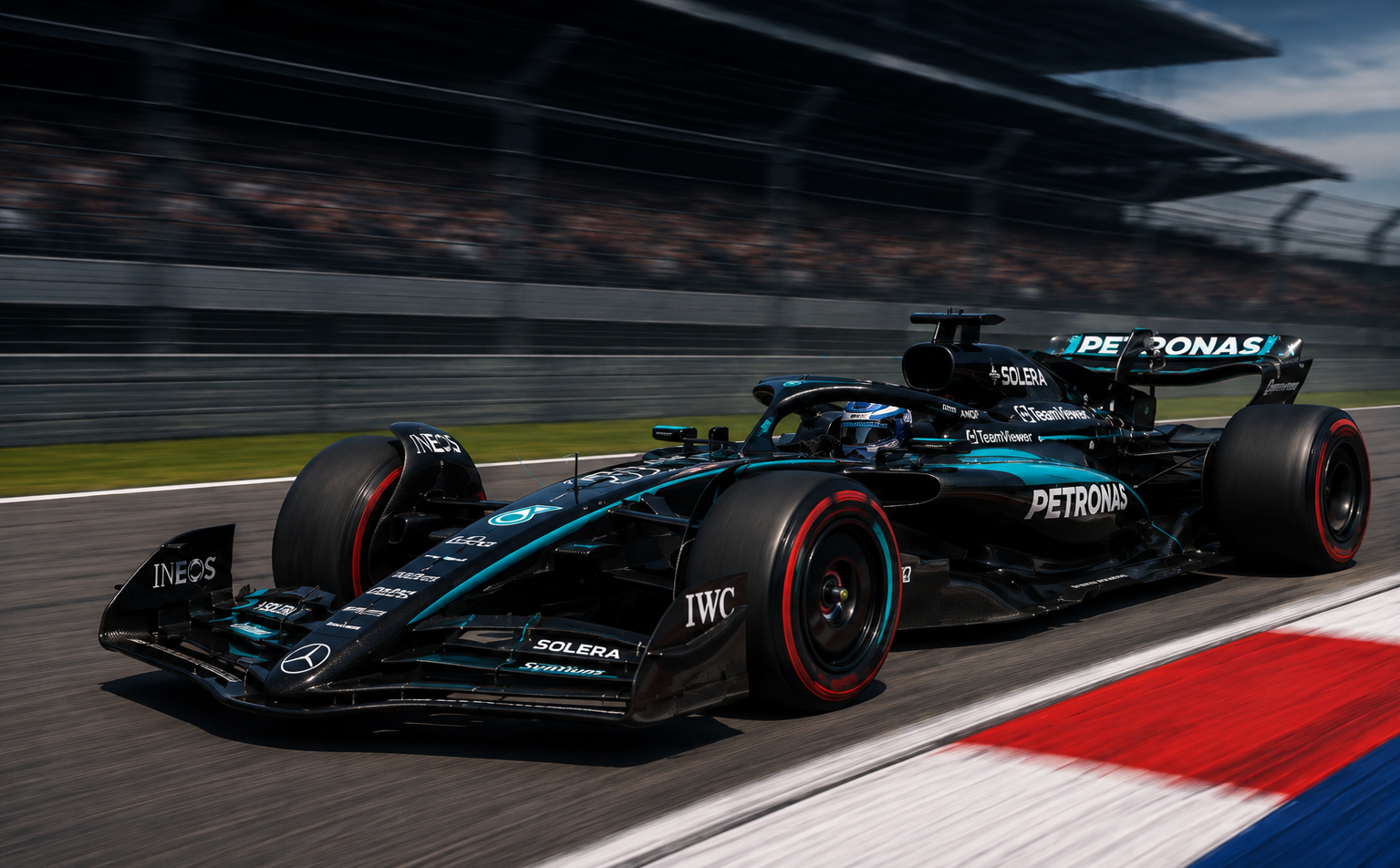
How Formula 1 Cars Manage Extreme Heat

Automobile & Motorsport

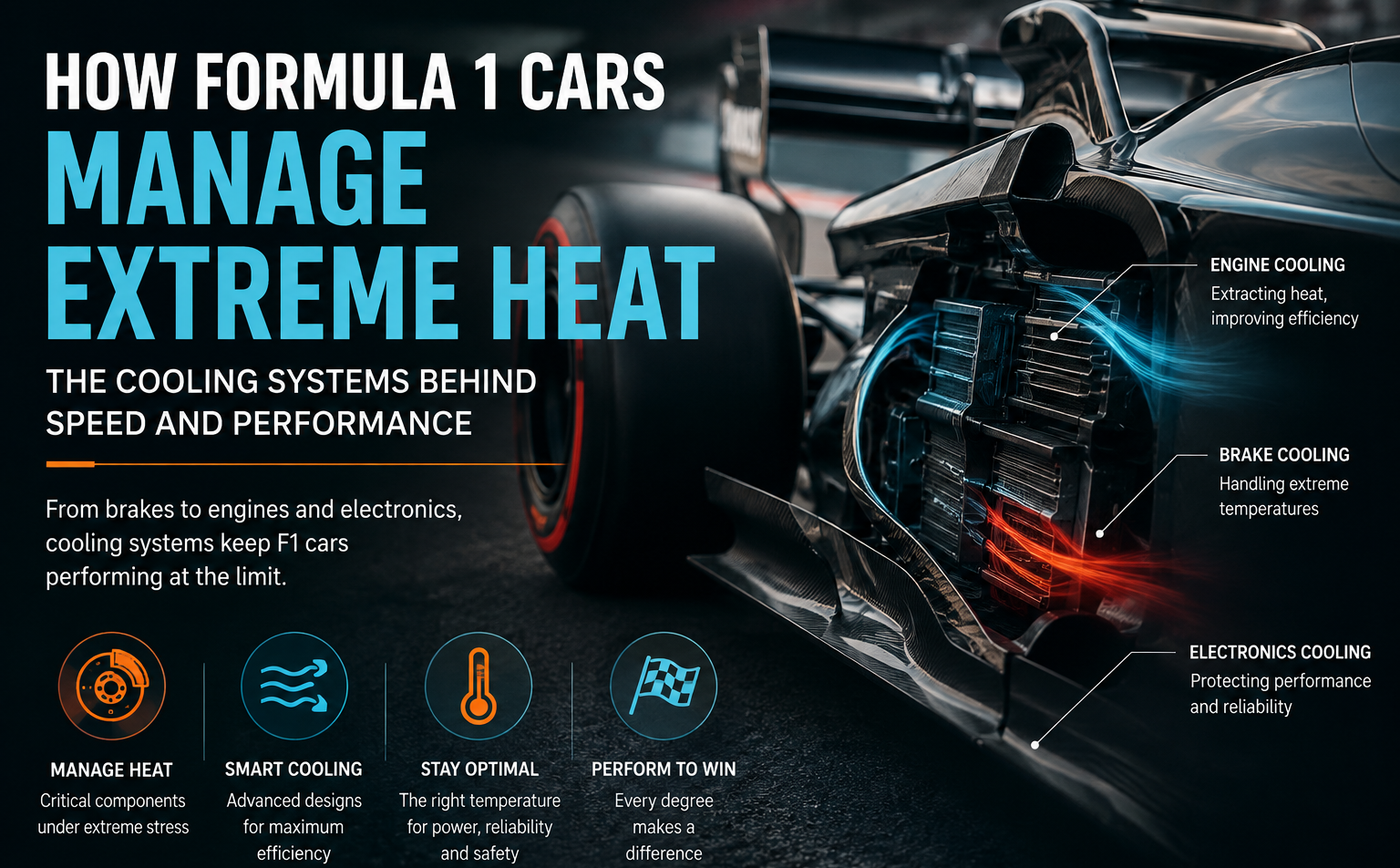
How Formula 1 Cars Manage Extreme Heat

An F1 cooling system can protect reliability while costing aerodynamic performance. Engineers must keep the brakes, power unit and electronics within their operating ranges while preserving the airflow that creates performance. That is why thermal management changes from circuit to circuit.

Rhondeno Kikon

19 Aug 2026

How Smart Biomaterials Could Change Regenerative Medicine

Material Science

How Smart Biomaterials Could Change Regenerative Medicine

Some medical materials are designed not only to support the body, but to respond to it - or disappear after completing a temporary role. Smart hydrogels can change behaviour in response to biological cues, while bioresorbable implants are engineered to degrade over time.

Rhondeno Kikon

19 Aug 2026

Inside Vikram-I: How Skyroot Reached Orbit

Aerospace & Aeronautical Engineering

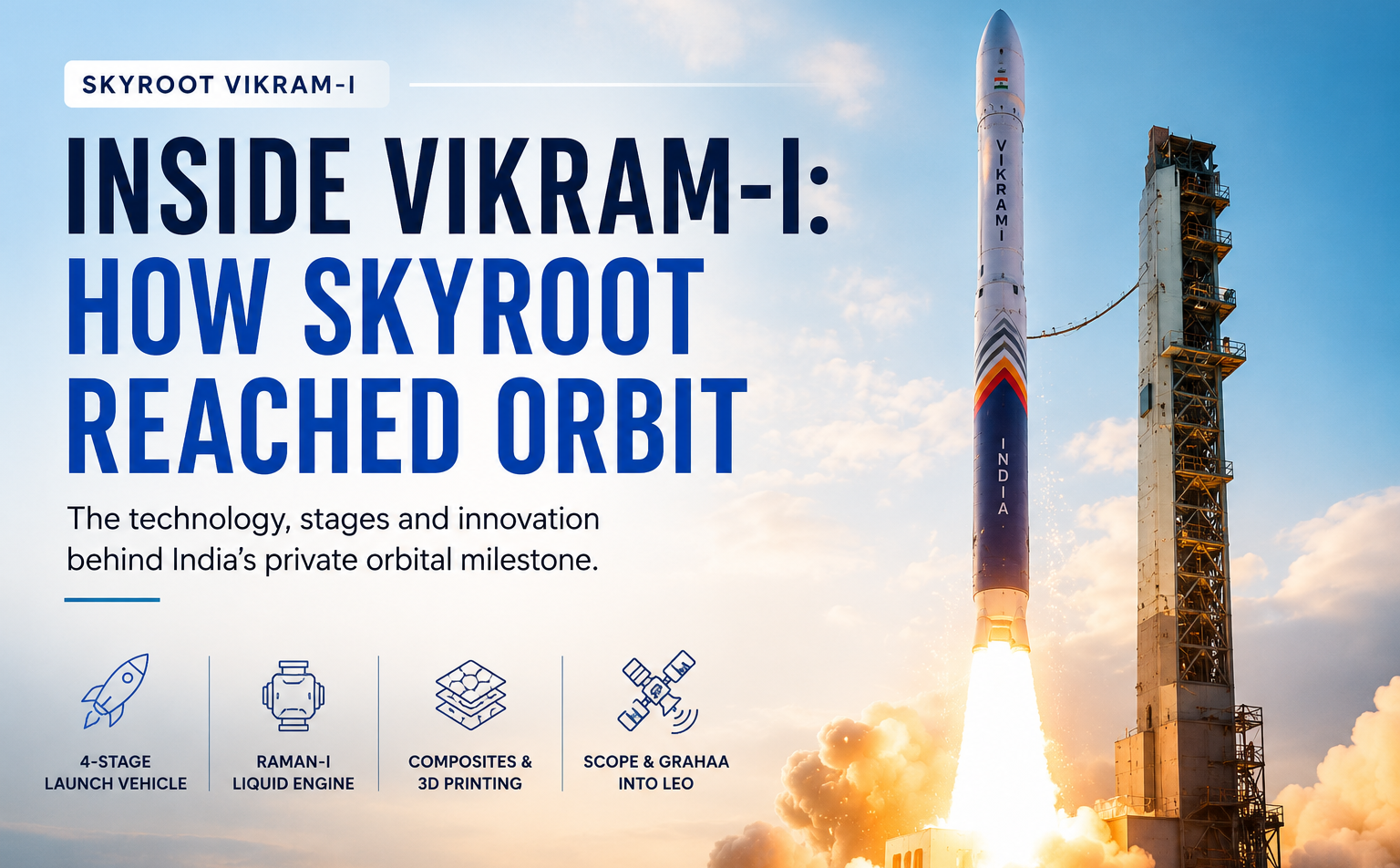
Inside Vikram-I: How Skyroot Reached Orbit

On 18 July 2026, Vikram-I lifted off from Sriharikota, marking a milestone for India’s private space sector. The rocket carried SCOPE and Grahaa satellites to LEO. Its design combines three solid stages, a liquid upper stage, carbon-composite structures and a 3D-printed liquid engine for tests now.

Rhondeno Kikon

19 Aug 2026

The F1 car that changes shape while racing

Automobile & Motorsport

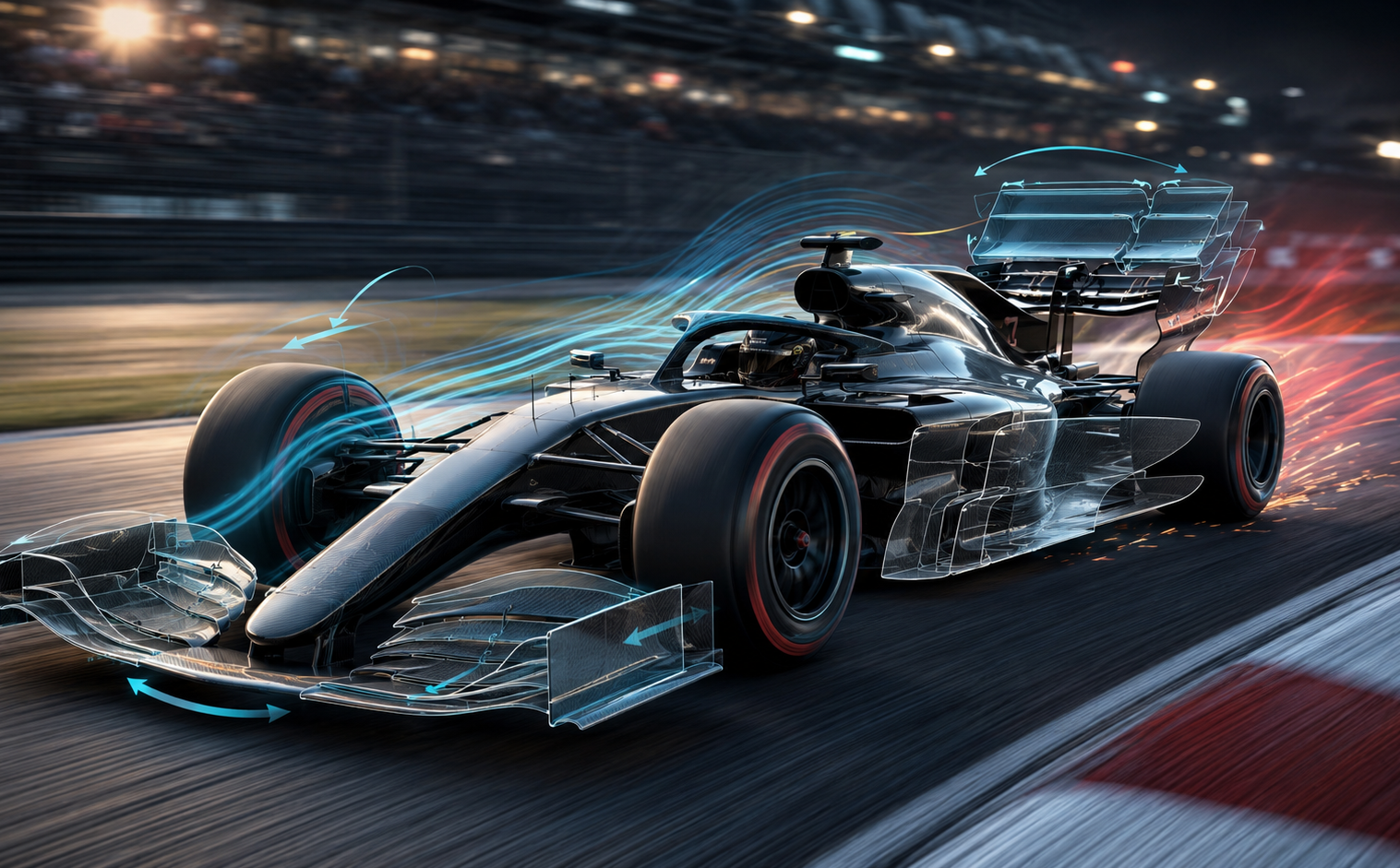
The F1 car that changes shape while racing

The car behaves differently depending on what the driver and system need. Low-drag configurations help on straights. Higher-downforce configurations help in corners. The car becomes a moving compromise between speed, grip, energy and control.

Krish Yaddanapudi

14 Aug 2026

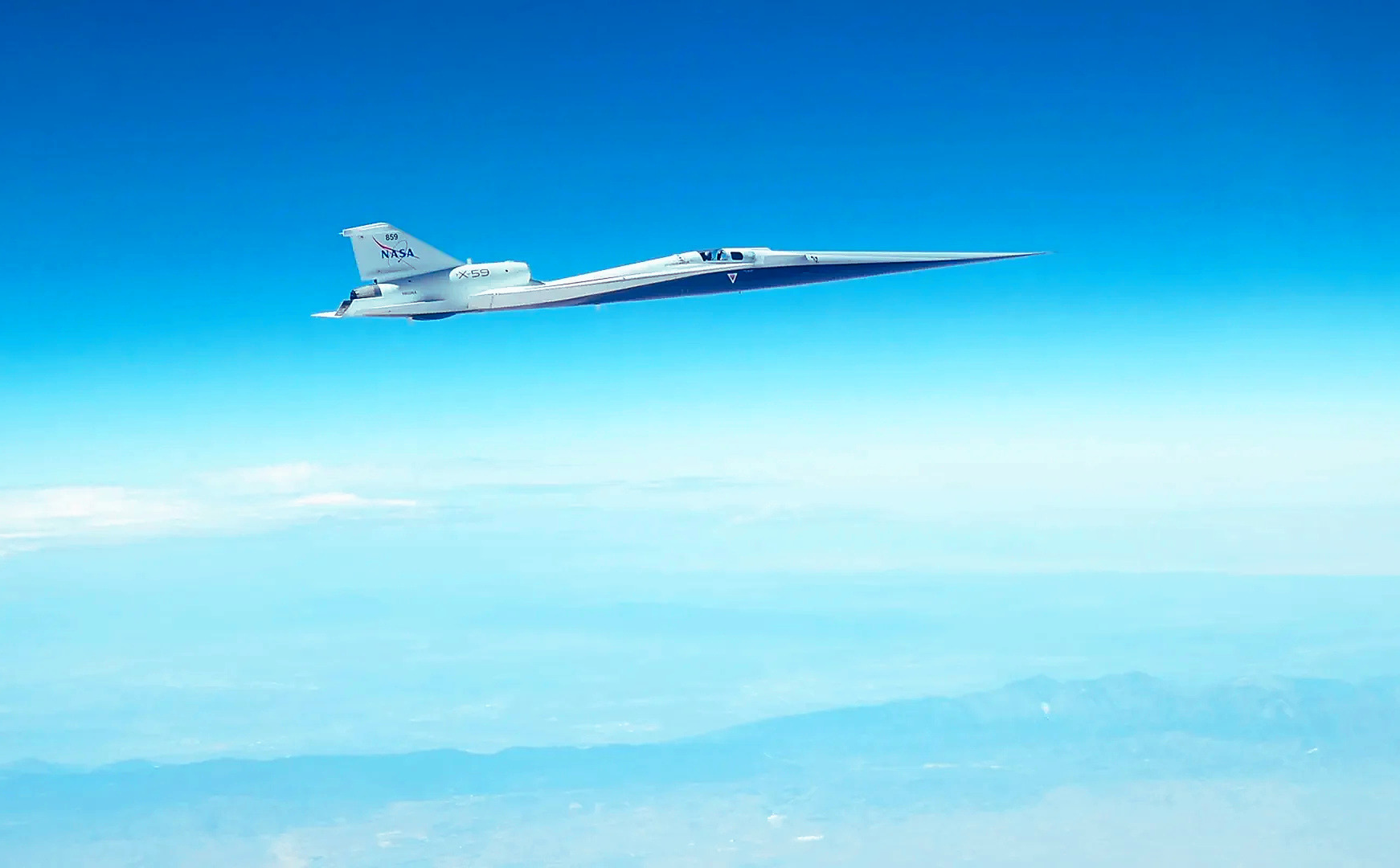
The Jet Trying to Make Sonic Booms Disappear

Aerospace & Aeronautical Engineering

The Jet Trying to Make Sonic Booms Disappear

NASA’s X-59 experimental aircraft is designed to transform the loud sonic boom of supersonic flight into a quieter "thump" to gain public acceptance for land-based supersonic travel.

Krish Yaddanapudi

9 Jul 2026